Role-based software stacks on arrival, licenses reclaimed when usage stops, and access removed the moment someone leaves.
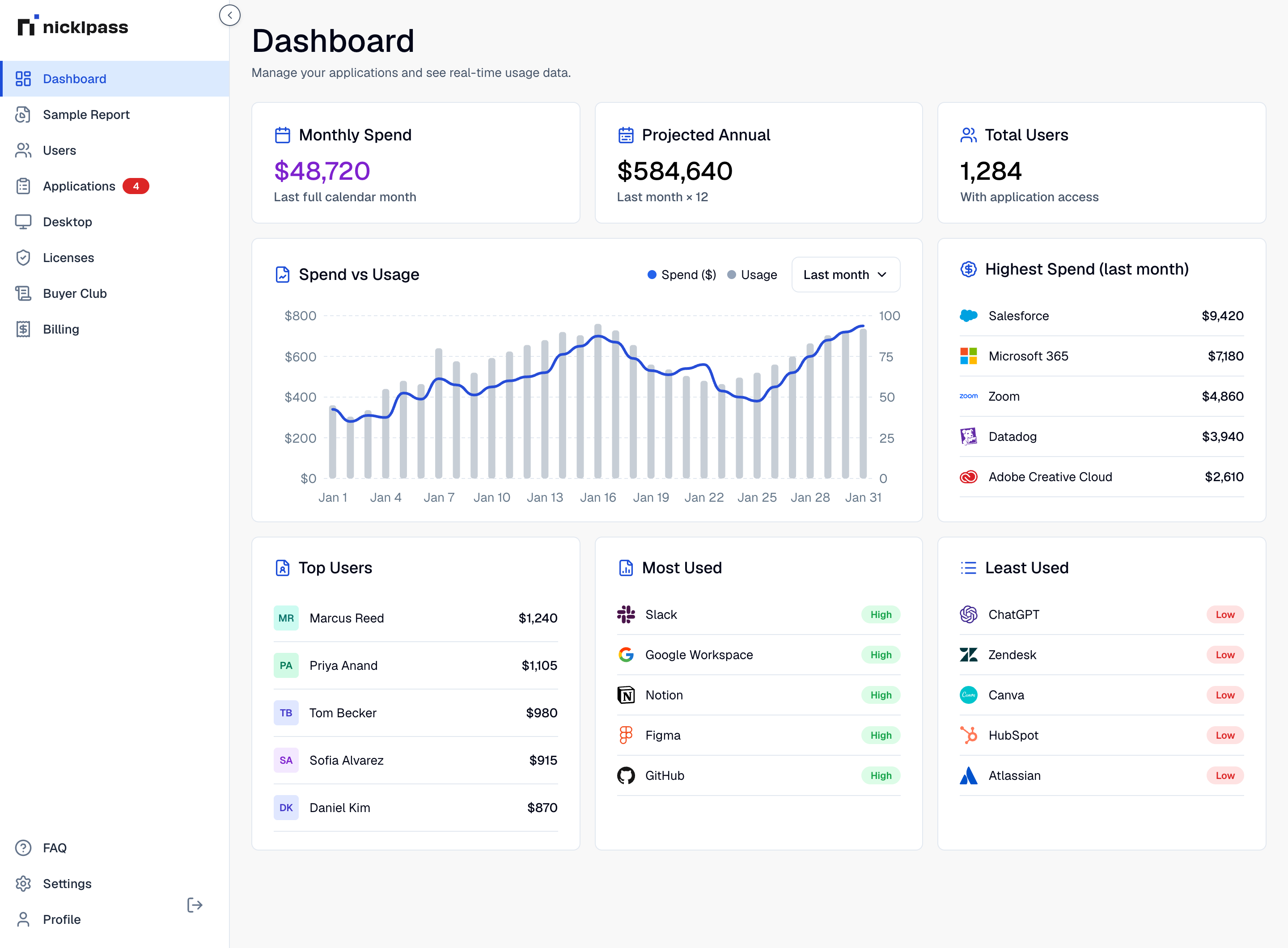
Onboarding is a checklist somebody wrote two years ago. Offboarding is whoever remembers which tools the person had. The seats that fall through stay on the invoice for a year.
when access should already be right, not requested
a forgotten seat keeps billing after someone leaves
Every orphaned account is two problems: a license you pay for and a door you left open.
Nicklpass connects identity, role, access, and usage, so the software someone has always matches the job they are doing.
Provisioning decides what someone can open. Usage decides whether they still need it. Lifecycle is what keeps the two in step.
The right stack on day one, without a ticket queue.
Access that keeps up with what the person actually does.
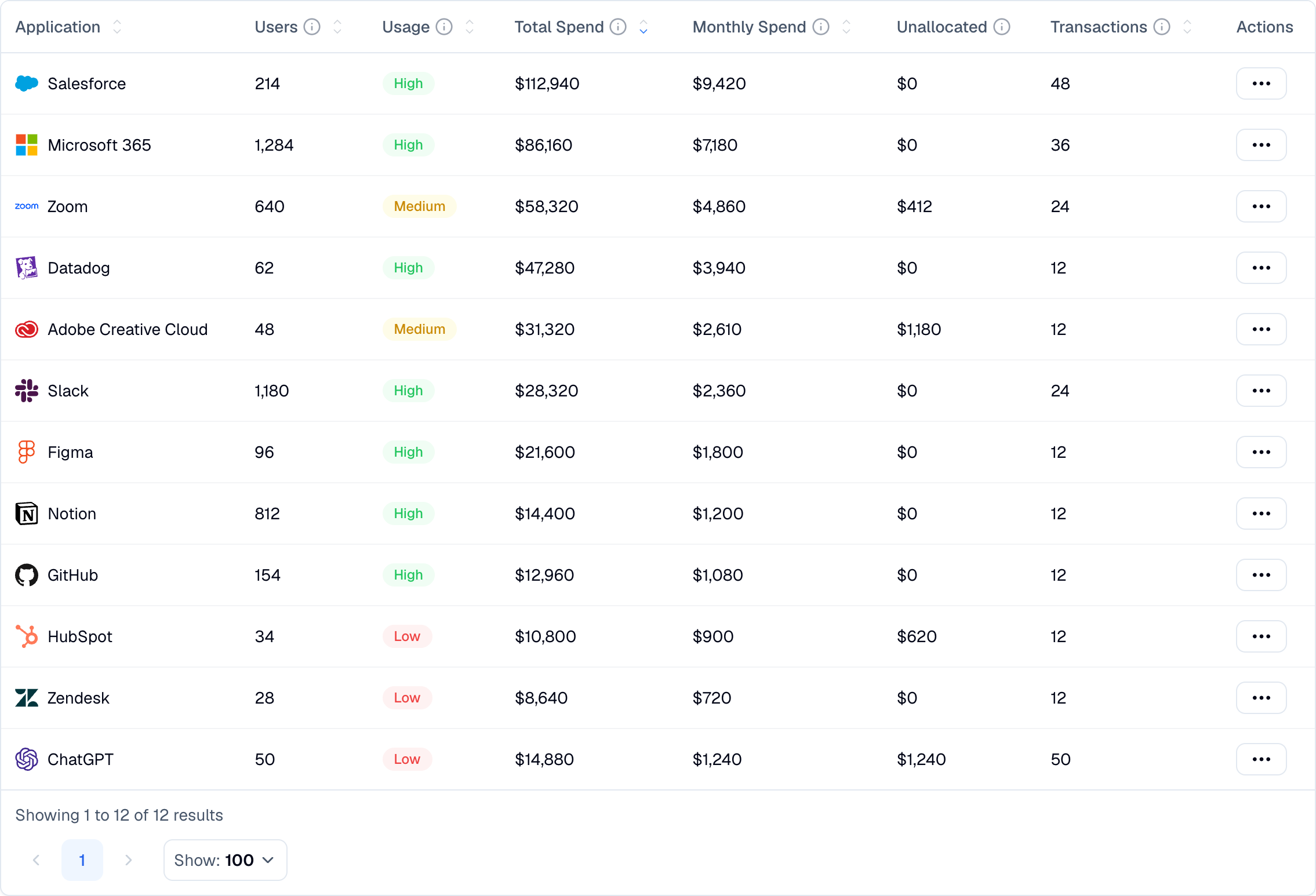
Departures close cleanly, and the license comes back.
What happens on arrival, and what happens on departure.
Nicklpass reads roles and status from your workspace, then acts on the seats attached to them.
Users, groups, and departments come from Google Workspace or Microsoft 365, so role changes and departures are reflected without a second source of truth.
Set the approved application list for each team and role once. New joiners get it automatically, and similar roles stop drifting apart.
The extension shows whether provisioned tools are actually opened, so idle seats surface on their own instead of waiting for an audit.
Nicklpass agents remove access when people leave, reclaim seats that have gone idle, and keep a record of every action taken. Each one is logged with the license it recovered and the access it closed.
Fewer tickets on the way in, no loose ends on the way out.
A former employee with a live account is a standing risk, and an unused seat is a standing charge. They are usually the same account. Handling both in one record means the security review and the software budget stop telling different stories about who has access to what.
No. Google Workspace or Microsoft 365 stays the source of truth for who works here. Nicklpass handles the SaaS seats attached to those people, which is the part identity providers do not price or reclaim.
Their access is compared against the approved stack for the new role. What is missing gets assigned, and what is no longer needed is flagged for removal rather than pulled silently.
Yes. Offboarding can remove SaaS access and recover licenses as soon as status changes, with every action recorded. Teams that prefer a review step can require approval instead.
From usage, not assumptions. Sign-in activity plus the browser extension show whether a provisioned tool has been opened, and over what period, before anything is reclaimed.
No. It installs from the admin console and reads domain-level metadata only. Never page content, keystrokes, or personal credentials.
Talk to sales about deploying with your SSO or MDM system, approval workflows, and exportable records of provisioning and deprovisioning actions.
average savings on subscription spend
Lifecycle control is where usage data turns into money back. Seats stop outliving the people they were bought for, and access stops outliving the job.
